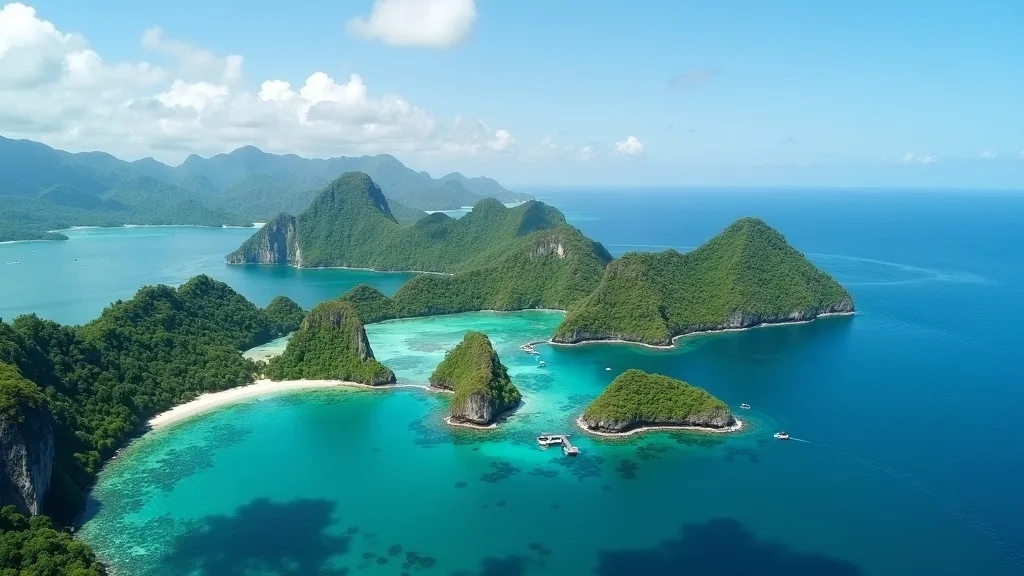
Choosing an eco friendly Komodo Raja Ampat liveaboard for 2027 involves selecting operators committed to marine conservation, responsible waste management, and community engagement. Prioritise vessels with clear sustainability policies, including reef-safe practices, ethical wildlife interaction, and support for local environmental initiatives, ensuring your dive experience contributes positively to these vital ecosystems.
Eco-Friendly Komodo Raja Ampat Liveaboard for 2027: A Sustainable Choice
As divers, our privilege of exploring the underwater world comes with a profound responsibility to protect it. For those planning their 2027 Komodo to Raja Ampat 19-day liveaboard expedition, or any other dive trip within these iconic Indonesian destinations, the choice of an eco friendly Komodo Raja Ampat liveaboard is more critical than ever. The increasing awareness of climate change and marine degradation necessitates a conscious decision towards sustainable tourism, ensuring these pristine environments remain vibrant for future generations.
Sustainable liveaboards demonstrate a commitment beyond mere compliance; they actively implement practices that minimise environmental impact. This includes stringent waste management protocols, such as proper disposal of greywater and blackwater, recycling programmes, and avoiding single-use plastics. Many operators now offer filtered water refills to reduce plastic bottle consumption, a small but significant step. For a 2027 5-day Komodo Special liveaboard departure in May, for instance, inquiring about such initiatives should be a standard part of your booking process.
Conservation Initiatives and Responsible Diving Practices
A truly eco friendly Komodo Raja Ampat liveaboard will be deeply involved in marine conservation. This often translates into supporting local conservation projects, employing marine biologists, and educating guests on responsible diving etiquette. Operators planning a Raja Ampat liveaboard January 26 2027 trip, or a Raja Ampat liveaboard April 10 2027 with full cabin availability, should be able to articulate their specific contributions to the regions they visit. This might include participating in coral restoration, data collection for scientific research, or community outreach programmes that empower local populations in conservation efforts.
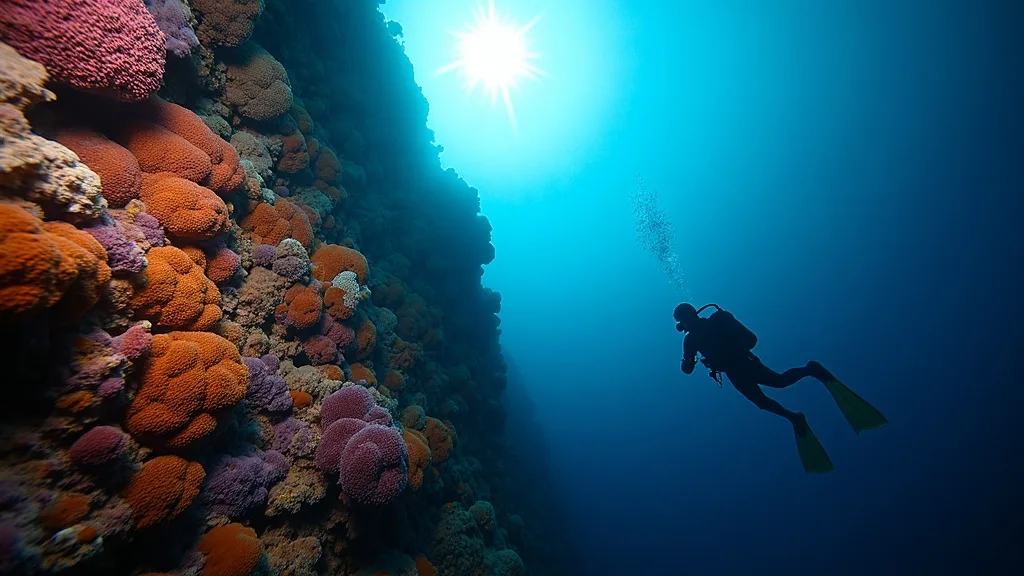
For divers considering a July 25 August 1 2027 Komodo National Park liveaboard with nitrox, understanding the vessel’s approach to reef protection is paramount. This includes strict adherence to no-touch policies, maintaining proper buoyancy to avoid contact with corals, and ensuring dive guides enforce these rules. The presence of nitrox, while beneficial for divers, does not negate the need for careful interaction with the delicate marine ecosystem.
Supporting Shark Conservation Komodo Raja Ampat Liveaboard 2027
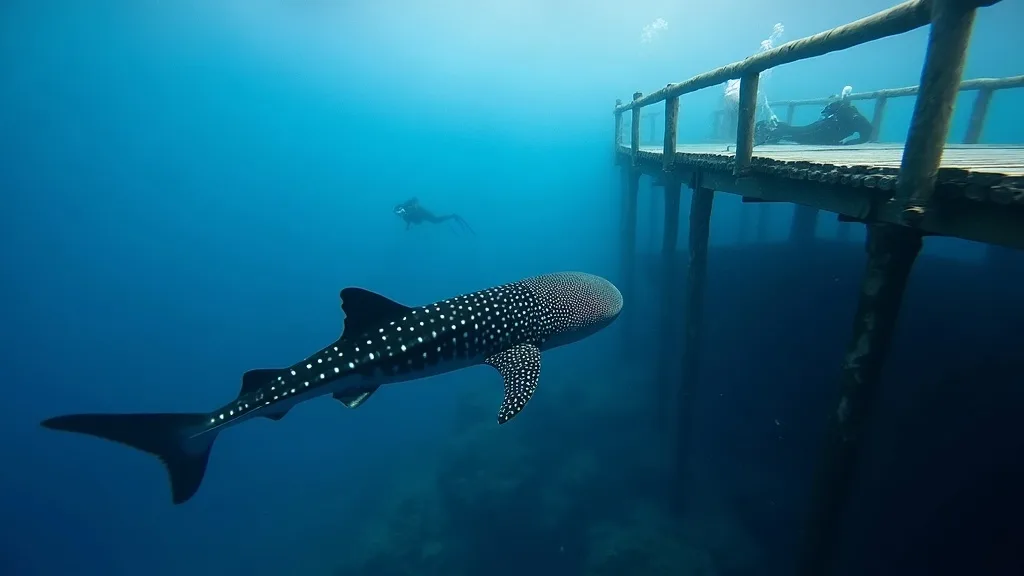
Shark conservation Komodo Raja Ampat liveaboard 2027 initiatives are particularly important given the global decline in shark populations. These regions are crucial habitats for various shark species, including the hammerheads frequently sighted during a Banda Sea hammerhead shark liveaboard 2027 Alor to Raja Ampat itinerary. Sustainable liveaboards play a vital role by promoting responsible shark tourism, which involves observing sharks in their natural habitat without interference, and contributing to monitoring programmes. Some operators might even partner with organisations dedicated to protecting these apex predators.
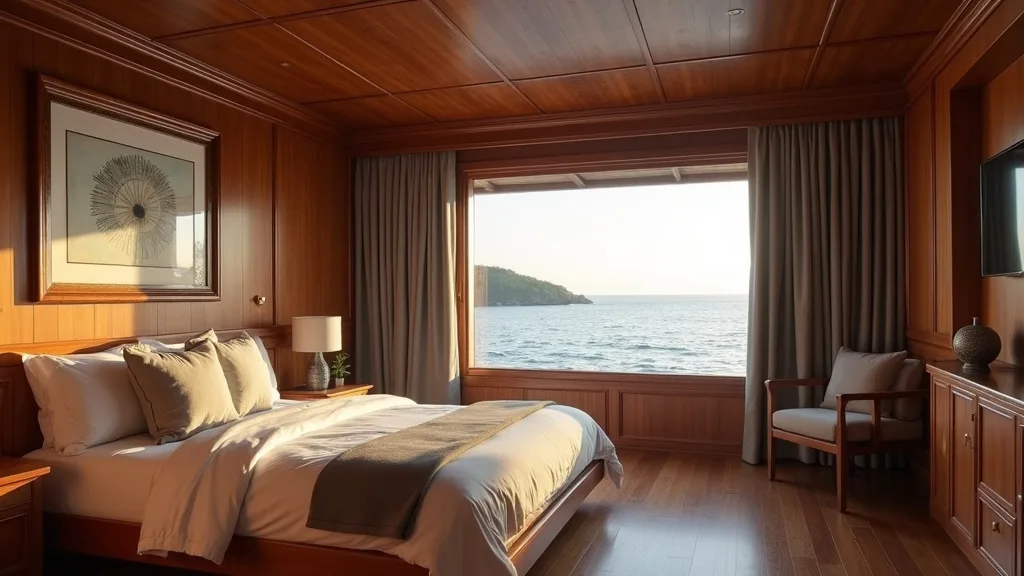
When booking a Komodo liveaboard twin share ensuite cabin for 2027, priced at around $4140, consider asking about the operator’s stance on shark feeding or interaction. Ethical operators will strictly prohibit such practices, as they can alter natural behaviours and create dependency. Instead, they focus on providing opportunities for respectful observation, allowing divers to witness these magnificent creatures undisturbed.
Ethical Operations and Community Engagement
Beyond direct environmental impact, an eco friendly Komodo Raja Ampat liveaboard also considers its social responsibility. This means employing local staff, purchasing supplies from local communities where possible, and contributing to the local economy in a fair and transparent manner. For those looking at a Scuba Junkie 8D7N Raja Ampat liveaboard rates 2027 USD, or a Raja Ampat liveaboard November 6-13 2027 for 8 full days of luxury, it is worth investigating their community engagement policies. Support for local schools, healthcare, or infrastructure projects can be indicators of a genuinely sustainable operation.
The 2027 dry docking dates for Scuba Junkie Raja Ampat, scheduled for April 2-17, also present an opportunity to consider the maintenance practices of a vessel. Sustainable operators often use environmentally friendly paints and cleaning agents, further reducing their ecological footprint. These details, though seemingly minor, collectively contribute to a truly responsible liveaboard experience.
Opting for a Komodo liveaboard advanced cert expedition, or a luxury Komodo Raja Ampat Phinisi liveaboard trip for 2027, with a strong sustainability ethos ensures your adventure aligns with preservation goals. For information on Komodo Raja Ampat liveaboard options, review operator sustainability statements.
2027 Note: As we look ahead to 2027, the focus on sustainable travel will only intensify. Divers are encouraged to book early for specific itineraries, such as the Indo Master Komodo expedition July 2027 with a potential $3357 per person discount, or the 2027 Komodo to Bali New Year liveaboard, 11 nights departing December 30. Early booking allows for thorough research into the vessel’s eco-credentials and ensures availability on popular routes that prioritise conservation.
Choosing Your Sustainable Liveaboard: Key Considerations
When selecting your Komodo Raja Ampat liveaboard for 2027, consider the following:
- Environmental Certifications: Does the operator hold any recognised environmental certifications or participate in reputable conservation programmes?
- Waste Management: Inquire about their policies on plastic use, waste segregation, and greywater/blackwater treatment.
- Fuel Efficiency: While not always transparent, some operators invest in more fuel-efficient engines or even hybrid systems.
- Local Engagement: How do they support local communities and economies?
- Diver Education: Do they provide briefings on responsible diving practices and marine conservation specific to the region?
- Wildlife Interaction Policies: Ensure they adhere to strict no-touch policies and avoid any activities that could disturb marine life.
| Category | Key Sustainability Point |
|---|---|
| Waste Management | Single-use plastic reduction, waste segregation, wastewater treatment |
| Marine Conservation | Support for local projects, no-touch policy, ethical wildlife interaction |
| Local Community | Employment of locals, fair wages, local sourcing of provisions |
| Diver Education | Briefings on reef etiquette, marine ID, conservation awareness |
FAQ
How can I ensure my Komodo Raja Ampat liveaboard choice is environmentally responsible?
To ensure your Komodo Raja Ampat liveaboard choice is environmentally responsible, research operators’ stated sustainability policies, look for certifications from recognised eco-tourism bodies, and directly inquire about their waste management, marine conservation programmes, and local community engagement efforts. Prioritise vessels that actively minimise their environmental footprint and contribute positively to the ecosystems they visit.
Are there specific certifications to look for when booking an eco friendly liveaboard?
While a universal certification for all liveaboards is still developing, look for operators affiliated with organisations like Green Fins, which promotes environmentally friendly diving and snorkelling practices. Some may also adhere to standards set by the Global Sustainable Tourism Council (GSTC) or have internal sustainability reports available. Always verify the authenticity and scope of any claimed certifications.
What impact does my choice of liveaboard have on shark conservation in Komodo and Raja Ampat?
Your choice of liveaboard directly impacts shark conservation in Komodo and Raja Ampat by either supporting or undermining ethical tourism. Sustainable operators contribute to shark conservation by enforcing no-feeding policies, educating divers on respectful observation, and sometimes participating in research or monitoring initiatives. Conversely, liveaboards that permit irresponsible interactions or have poor waste management can harm shark habitats and populations.