In short: 99 of the most common questions about komodo rajaampat liveaboard, answered by our specialists.
What is the average cost for a budget liveaboard in Komodo or Raja Ampat for a week?
For a budget liveaboard in Komodo, expect to pay around 1,650–1,760 USD per person for a 7-11 day trip. In Raja Ampat, prices start around 1,650–1,760 USD for similar trip lengths. These prices are for the boat only and can vary depending on the season and specific vessel.
How can I make a reservation for a Komodo–Raja Ampat liveaboard trip?
To reserve a Komodo–Raja Ampat liveaboard trip, you typically need to contact the operator directly or book through a reputable travel agency. Online booking platforms may also offer reservation options. It’s advisable to book well in advance, especially during peak seasons.
Are meals and beverages included in the liveaboard package?
Meals are generally included in liveaboard packages, though it’s best to confirm specifics with the operator. Beverages may be included, but alcohol often incurs additional charges. Checking the package details will ensure clarity on what’s covered.
What are the check-in and check-out times for liveaboards in Komodo and Raja Ampat?
Check-in and check-out times can vary by operator. Generally, check-in is in the afternoon on the first day, with check-out in the morning on the final day. Confirming specific timings with the liveaboard operator is recommended for planning purposes.
Do I need any specific certifications to join a liveaboard in Komodo or Raja Ampat?
While specific certifications may not be necessary for snorkelling, divers usually need at least an Open Water certification. Some itineraries may require advanced certifications or proof of experience for particular dives. Always check with the operator for their requirements.
What safety measures are in place on board the liveaboards?
Safety measures on liveaboards typically include life jackets, fire extinguishers, first aid kits, and emergency protocols. Crew members are usually trained in safety procedures. It’s important to verify the safety standards of your chosen vessel with the operator.
When is the peak season for liveaboards in Raja Ampat?
The peak season for liveaboards in Raja Ampat is from October to April, when the seas are calmer and trips are more frequent. This period is ideal for diving and exploring the region’s rich marine biodiversity.
How does a liveaboard experience in Komodo compare to Raja Ampat?
A liveaboard in Komodo offers thrilling dives with diverse marine life and stunning landscapes. Raja Ampat is renowned for its biodiversity and pristine coral reefs. Both offer unique experiences, with itineraries often tailored to the region’s highlights.
Is a liveaboard trip suitable for solo travelers or families?
Liveaboard trips can be suitable for solo travellers, with shared cabins available. Families can also enjoy these trips, though it’s important to check age restrictions and facilities for children. Some vessels may offer family-friendly amenities.
What should I pack for a liveaboard trip to Komodo and Raja Ampat?
Packing essentials include lightweight clothing, swimwear, sun protection, a hat, and personal toiletries. Bring a light jacket for cooler evenings and any necessary dive or snorkel gear, although these are often provided on board.
Are there any hidden fees I should be aware of when booking a liveaboard?
Hidden fees may include marine park fees, port fees, and fuel surcharges. It’s crucial to review the booking terms and ask the operator for a breakdown of any additional costs to avoid surprises.
Is there a deposit required to secure my booking?
A deposit is usually required to secure a liveaboard booking. The amount can vary by operator, often ranging from 20% to 50% of the total trip cost. Confirm the deposit policy with the operator when booking.
Are diving equipment and snorkel gear provided on the liveaboard?
Many liveaboards provide diving equipment and snorkel gear, though it’s wise to confirm this with your chosen operator. If you have specific gear preferences, bringing your own equipment might be advisable.
What is the best way to travel to the liveaboard departure point?
Reaching the liveaboard departure point typically involves flying to a nearby airport, such as Labuan Bajo for Komodo or Sorong for Raja Ampat. From there, transfers to the departure point are often arranged by the operator or available locally.
Are there age restrictions for participating in a liveaboard trip?
Age restrictions can vary by operator, but many liveaboards accommodate children above a certain age, often around 10 years old. It’s best to check specific age policies with the operator, especially if travelling with younger children.
How are the boats maintained for safety and reliability?
Boats are generally maintained through regular inspections, servicing, and adherence to safety regulations. Operators prioritise safety and reliability, but it’s advisable to inquire about maintenance practices when choosing a vessel. Learn more.
What months offer the best visibility for diving in Komodo?
The best visibility for diving in Komodo is typically from May to September, during the dry season. This period offers clearer waters and favourable diving conditions, although marine life can be spotted year-round.
Which liveaboard offers the most comprehensive itinerary for both Komodo and Raja Ampat?
Determining the most comprehensive itinerary depends on personal preferences and specific interests. Some operators offer extended itineraries covering both regions, but it’s essential to research and compare options based on your desired experiences.
Can beginners join the liveaboard trips or is it only for experienced divers?
Beginners can join liveaboard trips, especially if they have basic diving certifications. Some itineraries offer beginner-friendly dives, while others may require more experience. Confirm with the operator to ensure the trip matches your skill level.
What type of clothing is recommended for a liveaboard trip?
Light, breathable clothing is recommended for a liveaboard trip. Pack swimwear, a sun hat, sunglasses, and a light jacket for cooler evenings. Quick-dry towels and reef-safe sunscreen are also useful. Comfortable footwear for onboard and shore excursions is advisable.
Are international flights included in the liveaboard package pricing?
International flights are not typically included in liveaboard package pricing. You should budget separately for these costs when planning your trip.
How far in advance should I book to ensure availability?
To ensure availability, it’s wise to book your liveaboard trip several months in advance, especially for popular seasons or specific vessels.
Is Wi-Fi available on the liveaboard vessels?
Wi-Fi availability varies by vessel. Some liveaboards offer limited connectivity, while others may not provide Wi-Fi at all.
How long does it take to reach the departure ports from major Indonesian cities?
Travel time to departure ports from major Indonesian cities varies. For example, reaching Labuan Bajo from Bali can take around an hour by flight.
Is travel insurance mandatory for liveaboard trips?
While not always mandatory, travel insurance is highly recommended for liveaboard trips to cover unexpected events.
What is the water temperature like in Raja Ampat throughout the year?
Water temperatures in Raja Ampat generally range from 27°C to 30°C throughout the year, providing comfortable conditions for diving.
Are there liveaboard options focused on snorkeling instead of diving?
Yes, there are liveaboard options that cater to snorkelers, offering itineraries with prime snorkeling spots.
What is the group size typically like on these liveaboards?
Group sizes on liveaboards can vary, but typically range from 12 to 20 guests, depending on the vessel’s capacity.
What are the visa requirements for traveling to Indonesia for a liveaboard?
Visa requirements for Indonesia can vary by nationality. Many visitors can obtain a visa on arrival, but it’s best to check current regulations before traveling.
What are the emergency protocols in case of an accident on board?
Emergency protocols on liveaboards typically include trained staff, first aid kits, and emergency communication systems. Procedures vary by vessel.
What is the best month to see manta rays in Komodo?
Manta rays are most commonly seen in Komodo from April to November, with peak sightings often in September and October. Learn more.
Can I customize my itinerary on a private charter liveaboard?
Private charter liveaboards may offer customizable itineraries, allowing you to tailor the trip to your preferences.
What is included in the liveaboard’s daily schedule?
A liveaboard’s daily schedule usually includes multiple dives, meals, and leisure time, with some offering additional activities like island excursions.
How do liveaboards handle dietary restrictions or allergies?
Most liveaboards accommodate dietary restrictions or allergies if notified in advance. It’s best to communicate your needs when booking.
Do I need to bring my own towel and toiletries?
Liveaboards generally provide towels, but bringing your own toiletries is advisable as these may not be supplied.
Are there any vaccinations required before traveling to Indonesia for a liveaboard?
Vaccinations are not specifically required for a liveaboard trip to Indonesia, but routine vaccinations and those for travel to the region are recommended.
What is the difference in experience between a dive-focused liveaboard and a general adventure one?
Dive-focused liveaboards offer more dives and dive-specific amenities, while general adventure ones may include a broader range of activities.
Is there a minimum duration for liveaboard trips in Raja Ampat?
Raja Ampat liveaboard trips often have a minimum duration of around 7 nights to ensure ample time to explore the region’s sites.
What are the payment options for booking a liveaboard?
Payment options for booking a liveaboard typically include credit cards and bank transfers. Policies vary by provider, so confirm when booking.
How do the dive sites in Komodo differ from those in Raja Ampat?
Komodo dive sites are known for strong currents and diverse marine life, while Raja Ampat offers rich biodiversity and vibrant coral gardens.
Is it possible to join a liveaboard as a non-diver?
Yes, many liveaboards welcome non-divers, offering activities such as snorkelling, kayaking, or island excursions. It’s best to check with the operator for specific offerings.
What are some recommended pre-trip preparations for a liveaboard?
Pre-trip preparations include ensuring your diving certification and health checks are up to date, packing appropriate clothing, and arranging travel insurance. Familiarise yourself with the itinerary and any specific equipment or documentation required.
How much cash should I bring for expenses not covered by the liveaboard?
Cash needs vary, but it’s wise to bring enough for tips, souvenirs, and any additional activities or services not included in your package. Check with your operator for an estimate.
Is it possible to extend my liveaboard trip once it’s underway?
Extending a liveaboard trip once underway may be possible but depends on availability and scheduling. Discuss this option with the operator beforehand to understand your options.
Do liveaboards offer any discounts for group bookings or early reservations?
Discounts for group bookings or early reservations may be available. It’s best to inquire directly with the operator as policies vary.
What kind of wildlife can I expect to see in Raja Ampat vs Komodo?
In Raja Ampat, expect to see manta rays, sharks, and diverse coral species. Komodo offers encounters with manta rays, turtles, and the famous Komodo dragons on land. Learn more.
How can I verify the credibility and safety records of a liveaboard operator?
To verify credibility and safety, check for certifications from recognised diving organisations and read reviews from past guests. Contact the operator with any specific safety queries.
When is the best time to avoid crowds on a liveaboard trip?
To avoid crowds, consider travelling during shoulder seasons or booking less popular itineraries. Consult with the operator for quieter periods.
What are the cancellation and refund policies for liveaboard bookings?
Cancellation and refund policies vary by operator. It’s essential to review the terms and conditions at the time of booking or consult directly with the operator.
How do I choose between different liveaboard operators offering similar itineraries?
Choosing between operators can be based on factors like itinerary, vessel type, guest reviews, and price. Consider what aspects are most important to you.
Are there any specific health and fitness requirements for joining a liveaboard?
Health and fitness requirements vary, but generally, participants should be in good health and comfortable in water. Check with the operator for specific requirements.
Is there a doctor or medical professional on board the liveaboard?
Most liveaboards do not have a doctor on board, so it’s crucial to bring any necessary medications and a basic first aid kit. Emergency protocols should be clarified with the operator.
What type of liveaboard cabins are available and how do they differ?
Cabins vary from basic dormitory-style to luxurious private suites. Differences often include size, amenities, and price. Check with the operator for specific details.
What are the best non-diving activities available on a liveaboard?
Non-diving activities may include snorkelling, island visits, kayaking, and wildlife watching. Check with your operator for available options.
How can I ensure I have enough power for my electronics on board?
Liveaboards generally have power outlets for charging electronics. It’s advisable to bring a power bank and the correct plug adaptor for the region.
Is sea sickness common on liveaboards and how can I prevent it?
Sea sickness can occur. Preventive measures include taking medication, staying hydrated, and spending time on deck. Consult a doctor for advice on suitable medication.
What are the environmental practices of liveaboard operators in these regions?
Operators may engage in practices like waste reduction and reef-safe products. Inquire directly with the operator about their specific environmental policies.
Can I book a liveaboard for a shorter duration than the standard trips?
Booking a shorter liveaboard trip may be possible if the operator offers flexible itineraries. Contact them directly to discuss your preferences.
What is the policy if a trip is canceled due to bad weather?
If a trip is cancelled due to bad weather, operators typically offer rescheduling or refunds. Check their specific policy when booking.
Are there any specific packing tips for underwater photography enthusiasts?
For underwater photography, pack waterproof cases, extra batteries, and memory cards. Ensure your equipment is suitable for the depths you plan to dive.
How do liveaboards in Komodo and Raja Ampat accommodate different skill levels?
Most liveaboards cater to a range of skill levels, offering varied dive sites and dive guides to assist beginners. Experienced divers can enjoy more challenging sites. It’s advisable to check with the operator about specific requirements and options. Learn more.
What are the main differences in marine biodiversity between Komodo and Raja Ampat?
Raja Ampat is renowned for its coral diversity and density, while Komodo offers a mix of vibrant coral reefs and nutrient-rich waters that attract larger marine species. Both regions boast exceptional biodiversity, but Raja Ampat is often considered the more diverse.
Can I get a private guide or instructor during my liveaboard trip?
Some liveaboards may offer private guides or instructors for an additional fee. It’s best to inquire directly with the operator to discuss availability and costs for personalised diving experiences.
How does the cost of a liveaboard compare to land-based diving resorts?
Liveaboards generally offer more immersive diving experiences, often visiting remote sites inaccessible from land. While costs vary, liveaboards can be more cost-effective for intensive dive trips compared to land-based resorts, which may involve additional travel and logistics.
What is the best way to deal with jet lag when joining a liveaboard?
To manage jet lag, try adjusting your sleep schedule before travel, stay hydrated, and take short naps if needed. Arriving a day early can also help you acclimate before boarding the liveaboard.
Are there any restrictions on luggage size or weight for liveaboard trips?
Luggage restrictions can vary by operator, but it’s generally recommended to pack light, prioritising soft bags for easy storage. Check with your liveaboard provider for specific guidelines on size and weight limits.
What is the typical cuisine served on liveaboards in Indonesia?
Indonesian liveaboards typically serve a mix of local and international cuisines, often including fresh seafood, rice dishes, and tropical fruits. Dietary preferences can usually be accommodated with prior notice.
How are weather conditions monitored and communicated to guests on liveaboards?
Weather conditions are typically monitored using local forecasts and maritime communications. Crew members keep guests informed of any significant changes that could affect the itinerary or safety.
What are the most popular dive sites included in a Raja Ampat liveaboard itinerary?
Popular dive sites in Raja Ampat include Cape Kri, Manta Sandy, and Misool’s reefs. These sites are known for their rich marine life and stunning coral gardens, offering diverse diving experiences.
Can I expect to see large pelagic species on a liveaboard trip?
Liveaboard trips in these regions often feature encounters with large pelagic species like manta rays and sharks, particularly in areas known for strong currents and nutrient-rich waters.
What are the pros and cons of taking a liveaboard during the rainy season?
Rainy season trips can mean fewer crowds and lush landscapes, but may also bring rougher seas and limited visibility. Weighing these factors can help determine if it’s the right time for your trip.
How do I handle currency exchange for my liveaboard trip?
Currency exchange can be handled at airports or local banks. It’s advisable to carry some local currency for incidental expenses, as some liveaboards may not accept credit cards or foreign currency.
Are there any special events or festivals to consider when planning a liveaboard?
While not directly related to liveaboards, regional festivals might impact travel logistics or availability. Checking local calendars can help plan your trip around these events for a smoother experience.
What are the average air and water temperatures in Komodo during the peak season?
During peak season, Komodo’s air temperatures range from 25-30°C (77-86°F), with water temperatures around 27-29°C (81-84°F). This makes for comfortable diving conditions.
How do I ensure my dietary preferences are communicated and met on board?
Inform the liveaboard operator of any dietary preferences or restrictions when booking. Most are accommodating and will make necessary arrangements to meet your needs.
Are there opportunities for night diving on liveaboards in Komodo or Raja Ampat?
Night diving is often available on liveaboards in both regions, offering a chance to experience unique marine life and behaviours after dark. Confirm with your operator for specific opportunities. Learn more.
How does the experience differ between a traditional phinisi boat and a modern yacht liveaboard?
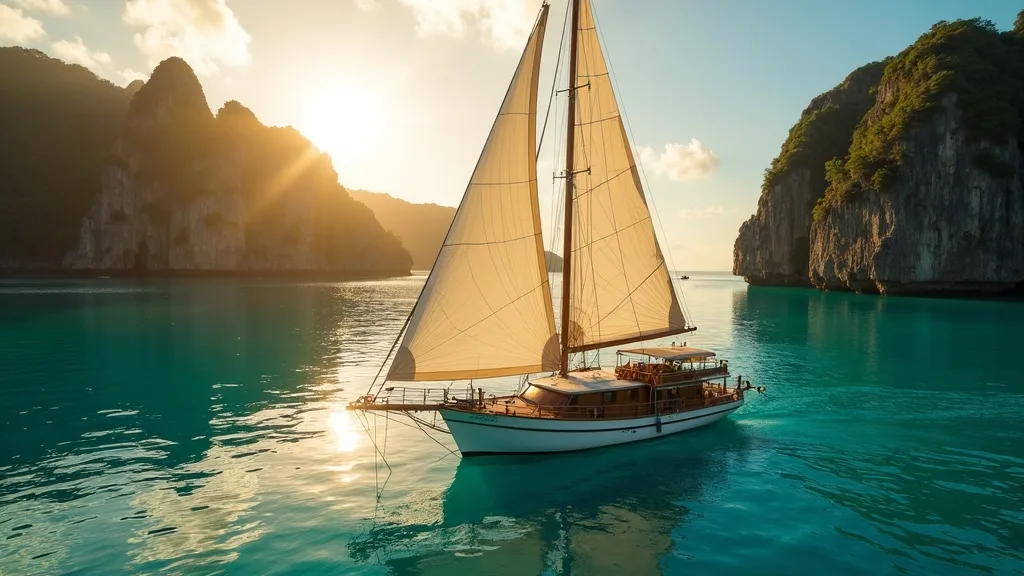
Traditional phinisi boats offer a classic and cultural sailing experience, often with wooden interiors and sails. Modern yachts provide contemporary amenities and faster travel. Both offer unique experiences, depending on personal preference.
Are there any recommended vaccinations for travelers joining a liveaboard in Indonesia?
Consult a healthcare professional for recommended vaccinations, which may include Hepatitis A, Typhoid, and others. It’s important to ensure all routine vaccinations are up to date before travelling.
What is the best strategy for choosing a liveaboard based on itinerary preferences?
Consider the dive sites, trip length, and season when choosing a liveaboard. Prioritise itineraries that match your diving interests and skill level to maximise your experience.
Can I rent underwater camera equipment on board?
Some liveaboards offer underwater camera rentals, but availability can vary. It’s advisable to check with the operator in advance to ensure equipment is available for hire.
What are the main differences in dive conditions between Komodo and Raja Ampat?
Komodo is known for its strong currents and diverse marine life, while Raja Ampat offers vibrant coral reefs and a higher biodiversity. Visibility and water temperature can vary, with Raja Ampat generally warmer and clearer.
Is it common to encounter strong currents on liveaboard dives?
Yes, strong currents are common, especially in Komodo. They can enhance marine life sightings but require divers to have good buoyancy and experience.
What are the benefits of booking a liveaboard through a travel agency versus direct?
Booking through a travel agency can offer convenience and tailored packages, while direct booking may provide more direct communication with the operator.
How do I handle dietary restrictions on a liveaboard?
Most liveaboards accommodate dietary restrictions if informed in advance. It’s best to communicate your needs clearly at the time of booking.
What is the policy on tipping the crew and dive guides?
Tipping is appreciated and often expected. A guideline is around 10% of the trip cost, but this can vary based on service satisfaction.
Are there any specific insurance policies recommended for liveaboard trips?
Travel insurance that covers diving activities and medical evacuation is recommended. Check for policies specifically catering to liveaboard trips.
What is the expected visibility range for diving in Raja Ampat throughout the year?
Visibility in Raja Ampat can range from 10 to 30 metres, generally improving during the main season from October to April.
How do I ensure my valuables are safe on a liveaboard?
Valuables should be kept in a secure, locked area. Many boats offer safes or lockers for added security.
Are there any onshore excursions included in a liveaboard itinerary?
Some itineraries include onshore excursions, such as visits to local villages or scenic hikes. Check specific itineraries for details.
How do the dive conditions in Raja Ampat change throughout the year?
Conditions in Raja Ampat are generally stable year-round, with the best diving from October to April due to calmer seas.
What are the benefits of a longer liveaboard trip versus a shorter one?
Longer trips offer more dive sites and a relaxed pace, allowing deeper exploration and more chances to see diverse marine life. Learn more.
What is the average age range of guests on a liveaboard?
Guest ages vary widely, from young adults to retirees, typically ranging from 20s to 60s, depending on the trip and season.
Are there any activities for non-divers on a liveaboard?
Non-divers can enjoy activities like snorkeling, kayaking, or beach excursions, though options vary by boat.
How do I prepare for the time difference when traveling to Indonesia for a liveaboard?
Adjusting to Indonesia’s time zone can be eased by gradually shifting sleep patterns before departure and staying hydrated during travel.
Are there any specific documents I need to carry for a liveaboard trip?
Carry a valid passport, dive certification, and travel insurance details. Some trips may also require a visa, depending on your nationality.
What is the typical itinerary for a 10-day liveaboard in Komodo?
A 10-day Komodo itinerary typically includes dives at sites like Castle Rock and Batu Bolong, along with visits to Komodo National Park.
What is the likelihood of encountering rare marine species in Raja Ampat?
Raja Ampat is known for its biodiversity, with good chances of encountering rare species like wobbegong sharks and manta rays.
How do liveaboards handle waste and environmental sustainability?
Liveaboards often follow eco-friendly practices, such as waste separation and biodegradable products, to minimise environmental impact.
What are the differences in dive experiences between the north and south regions of Raja Ampat?
The north of Raja Ampat offers more diverse coral gardens, while the south may have stronger currents and larger pelagic species.